

SODECAO-Obala Council: A New Dawn for the cocoa farmers
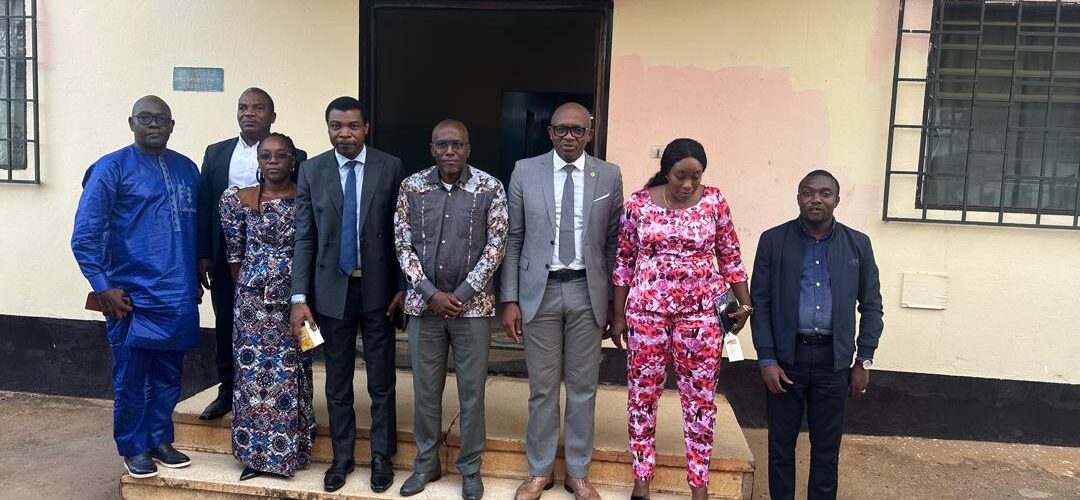
During a meeting in Yaounde, SODECAO officials and a delegation from the Obala Municipality laid the groundwork for a potential technical and infrastructural partnership aimed at modernizing cocoa plantations in the Lekie Division; boosting production and encouraging the youth to go into cocoa farming.
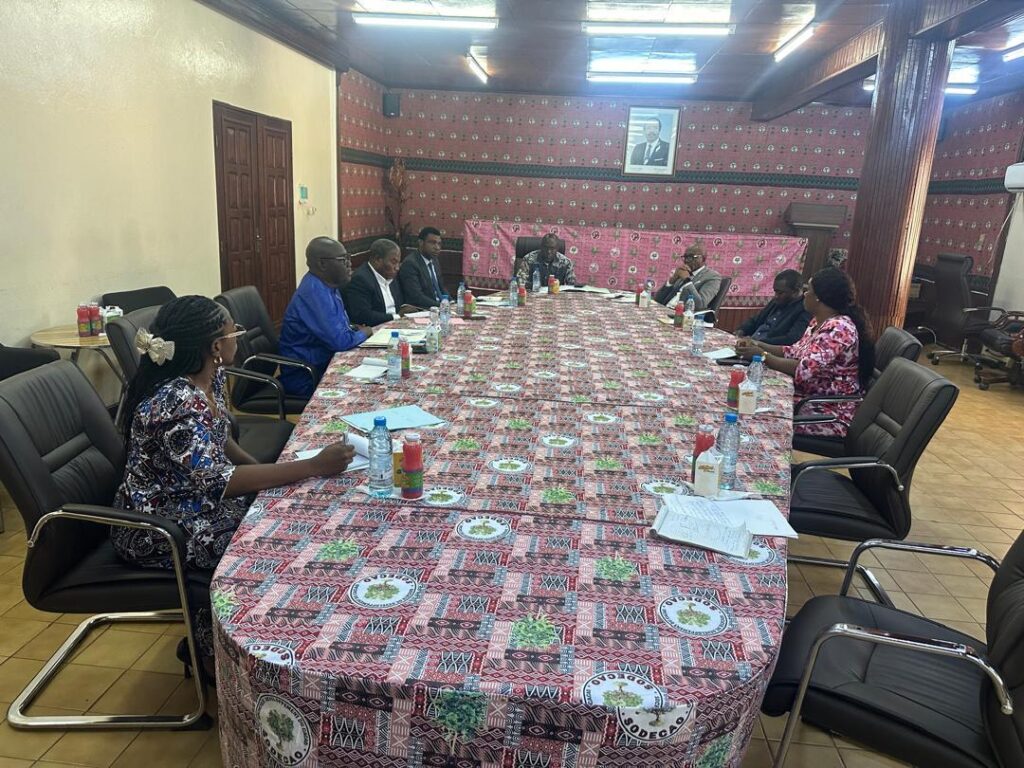
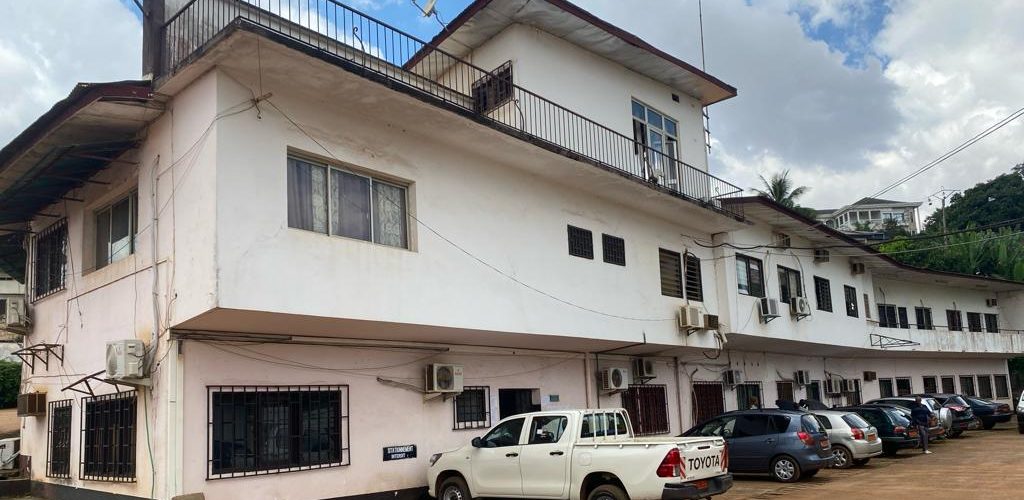
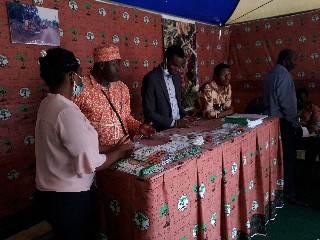
In response to the major challenges confronting local producers, the Obala Council and the Cocoa Development Corporation (SODECAO), have launched a strategic initiative in a bid to explore areas of collaboration to boost the cocoa sector. On Thursday, July 23, 2026, a crucial working session was held in the conference room at the SODECAO Head Office in Yaounde, marking the beginning of discussions for a structured partnership to drive cocoa farming development in the Obala Municipality.
High-Level Institutional Engagement
The meeting was chaired by the Deputy Director General of Sodecao, who was joined by some of his close collaborators and technical experts of the Corporation. The Obala Council was represented by a senior municipal official, demonstrating the strong commitment of both institutions to advancing the local cocoa sector.
A Shared diagnosis: Preserving a Historic Hub
During the discussions, both parties conducted a comprehensive assessment of the current state of cocoa activities in Obala. Once one of the leading cocoa-producing areas in the Lekie Division, the municipality now faces significant structural hurdles, including deteriorating rural access roads, limited access to quality agricultural inputs, and an aging farming population.
Recognizing these challenges, the Obala Council expressed its desire to benefit from SODECAO’s technical expertise and institutional support in restoring the competitiveness of the local cocoa sector. The Council equally highlighted the challenge of generational succession, especially how to attract the young people to cocoa farming.
As in many cocoa-growing communities, a large proportion of the cocoa farmers in Obala are approaching retirement age with no clear line of succession in place. To secure the future of the sector’s long-term viability, both institutions agreed that youth participation must become a strategic priority.To achieve the above objectives, several key actions were identified:
- Make cocoa farming more profitable and less labor-intensive through technical guidance and appropriate equipment;
- Facilitate access to improved planting material, financing mechanisms and dynamic cooperatives to encourage the establishment of modern cocoa plantations;
- Promote attractive models such as agroforestry diversification (intercropping cocoa with plantain and fruit trees) to generate more consistent income streams.
Towards a Framework Agreement
Following insightful mutual presentations, both parties laid the foundation for a joint action plan. The primary outcome was the upcoming establishment of a joint bipartite committee comprising SODECAO officials and representatives from the Obala Council.
The committee will be tasked with:
1. Defining the strategic scope of the prospective partnership;
2. Identifying the responsibilities of each institution; and
3.Draft a framework agreement to formally establish the collaboration.
A Promising Partnership
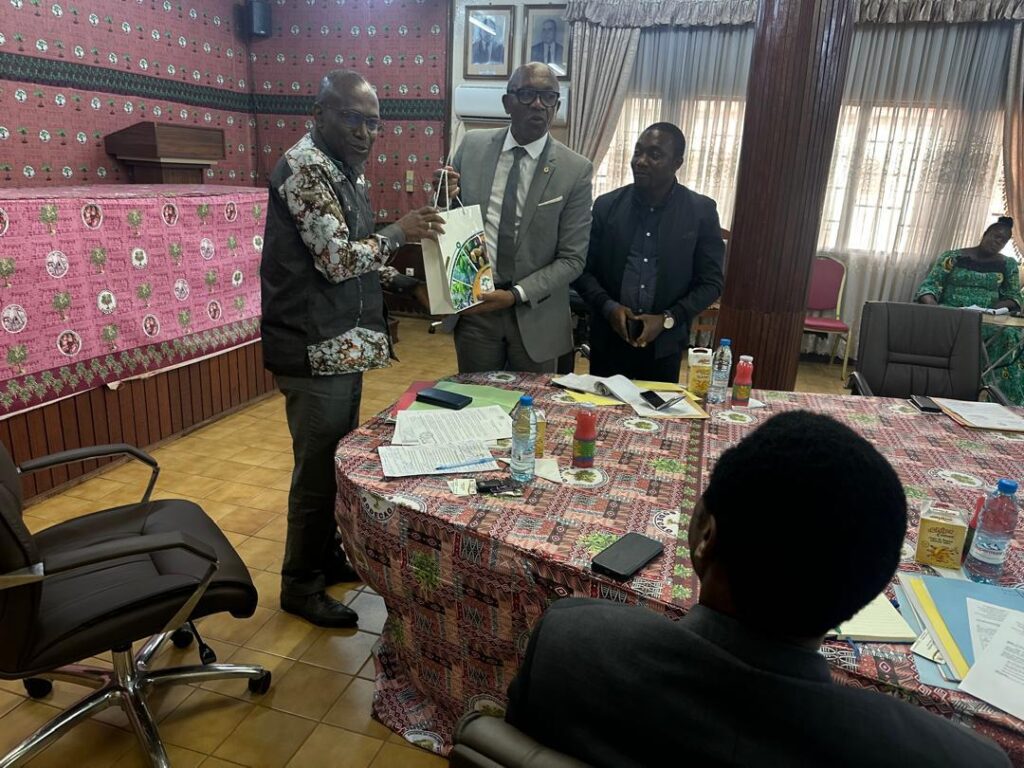
The session ended on a shared note of optimism and mutual commitment. To mark the solemnity of the event and commemorate this key first step toward the rebirth of cocoa farming in Obala, the meeting ended with a traditional group photography.
NJK



 English (UK)
  Français
Recent Comments